
Style
The Art and Science of Whisky Cask Maturation
13
Oct
Oct
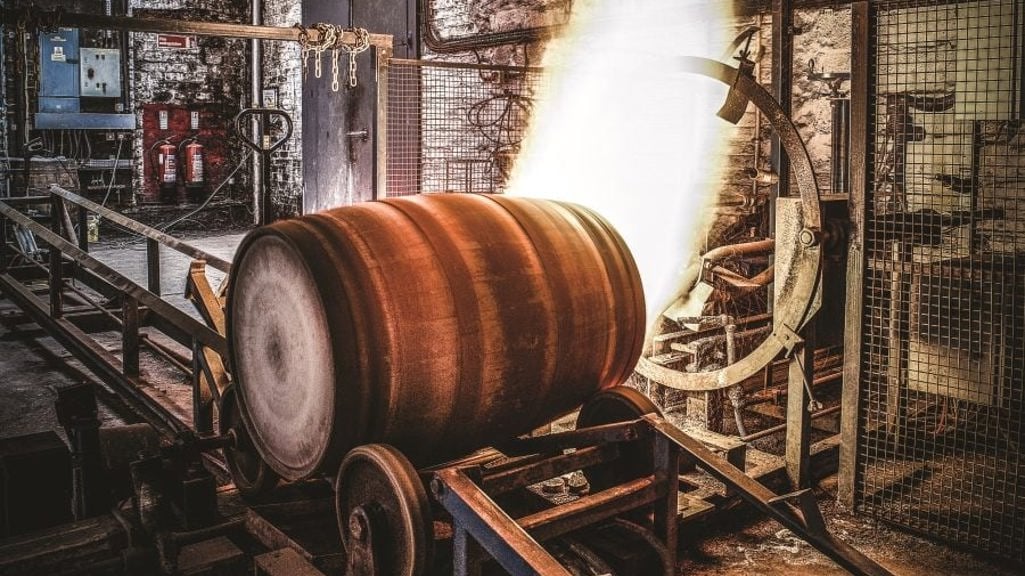
Wooden casks have served humanity for centuries — durable, near-watertight containers that carried goods across continents long before modern logistics. Their elegant, curved design — often referred to as barrels (a specific size of cask) — has remained largely unchanged for thousands of years, a testament to both craftsmanship and engineering genius.
When used to transport alcoholic drinks such as wine, fortified wine, and distilled spirits, casks were soon discovered to be more than mere vessels. Over time, distillers realized that these wooden containers could transform their contents, subtly influencing color, chemistry, and flavor in remarkable ways.
This revelation spread to Scotland and Ireland, where early whisky makers began harnessing casks to shape the character of their spirits. As whisky-making evolved, maturation became a defining element — the art of marrying spirit and wood to create depth, harmony, and distinction. Today, whisky ageing is enshrined in law: nearly every whisky-producing country mandates a minimum maturation period.
In Scotland, the Scotch Whisky Association requires ageing in oak casks considered traditional — most often ex-wine or ex-spirit barrels. This ensures whisky develops its signature color, aroma, and taste. Yet within these parameters, innovation thrives. Roughly 90% of Scotland’s whisky stock matures in ex-bourbon casks, with seasoned or ex-sherry barrels accounting for much of the rest. Increasingly, distillers are experimenting with alternative finishes — from calvados and rum to tequila and mezcal casks — adding exciting new layers to classic profiles.
Beyond Scotland, global whisky producers are redefining cask maturation through local traditions and native woods. In Japan, distillers have explored aromatic sakura (cherry) wood, while India’s Godawan Distillery finishes select single malts in casks conditioned with Ayurvedic botanicals, creating truly regional expressions.
Each cask tells a story — of wood, spirit, and time — shaping whisky’s evolution from a simple distilled liquid into a complex, character-rich masterpiece.
